
"from Central America"
4000 article(s) found

Introduction to Panamanian Coffee, the King of Coffee Price ratio in Central America
Panama Coffee, the king of coffee price in Central America, has been among the best coffee producers in the world since three years ago, surprising countries that have been in the vanguard of developer production for many years. Panamanian coffee is mainly produced in the west near the Costa Rican border, producing the best washed coffee. Compared with coffee beans grown at low and middle elevations

Coffee from Central and South America, the birthplace of Ethiopian coffee
Coffee trees come from Ethiopia, from wild coffee forests and semi-developed land to traditionally operated plots of land to modern plantations. About 50% of the coffee is grown more than 1500 meters above sea level. The flavor of Ethiopian coffee is difficult to describe. It is neither strong nor sour. Therefore, it is not suitable for deep baking, otherwise it is easy to lose.
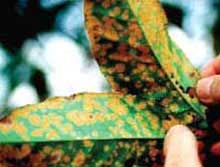
Coffee Rust Disease or Coffee Roya
The shift from traditional shade to sun cultivation may have been the main cause of the large coffee leaf rust outbreaks on coffee farms in Central America and Mexico. Coffee leaf rust was discovered in Central America 40 years ago, but recent outbreaks in Central America (Colombia, Costa Rica, El Salvador, Guatemala, Nicaragua) and Mexico are by far the most serious and dangerous

Introduction of coffee beans in Nicaragua, the country with the worst economic conditions in Central America
Nicaragua | Nicaraguan Coffee Nicaragua coffee Nicaraguan Coffee beans w.kaf.name "Nicaragua is one of the major coffee producing countries and produces high quality coffee. Even coffee from the Antigua Mountains of Guatemala, which is famous in Asia, imports raw beans from Nicaragua. Nicaraguan coffee is not well known in Asia, but in fact, Nicaraguan coffee is already

Exquisite Central American Coffee wins Global praise
Central America is one of the four largest coffee producing regions in the world, so because of the differences in microclimate and different handling methods, Central American coffee is as wonderful as the world. Overall, Guatemala has a beautiful sour taste; Honduras has a balanced taste; El Salvador has a chocolate flavor; Nicaragua has a fruity flavor; Panama has a delicate fruit flavor of geisha coffee, also because

Boutique coffee science knowledge coffee leaf rust
The shift from traditional shading to sun-exposed cultivation may be the main cause of large-scale outbreaks of coffee leaf rust on coffee farms in Central America and Mexico. Coffee leaf rust was discovered in Central America as early as 40 years ago, but the recent outbreaks in Central America (Colombia, Costa Rica, El Salvador, Guatemala, Nicaragua) and Mexico are by far the most serious and dangerous.

The treatment of coffee beans in Perata Manor, a boutique coffee farm in Nicaragua, Central America.
Professional coffee knowledge exchange more coffee bean information please follow the coffee workshop (Wechat official account cafe_style) Nicaragua is a country in Central America, the main economic source is coffee cultivation, so Nicaragua has a good coffee estate, coffee species is Arabica, coffee quality, flavor in the international performance is also good. Comparison of Nicaraguan coffee on the market

Three Coffee producing areas in America | brief introduction of Tara Pearl producing area with Costa Rican bean flavor
Professional coffee knowledge exchange more coffee bean information please follow the coffee workshop (Wechat official account cafe_style) front street-American coffee producing area brief introduction of Costa Rica Tarazu producing area of Costa Rica is located in Central America, Latin America, bordering Nicaragua in the north, Panama to the south, the Caribbean Sea to the east, and the Pacific Ocean to the west, Costa Rica is located in Central America and Latin America, bordering Nicaragua in the north, Panama in the south, the Caribbean in the east and the Pacific Ocean in the west.
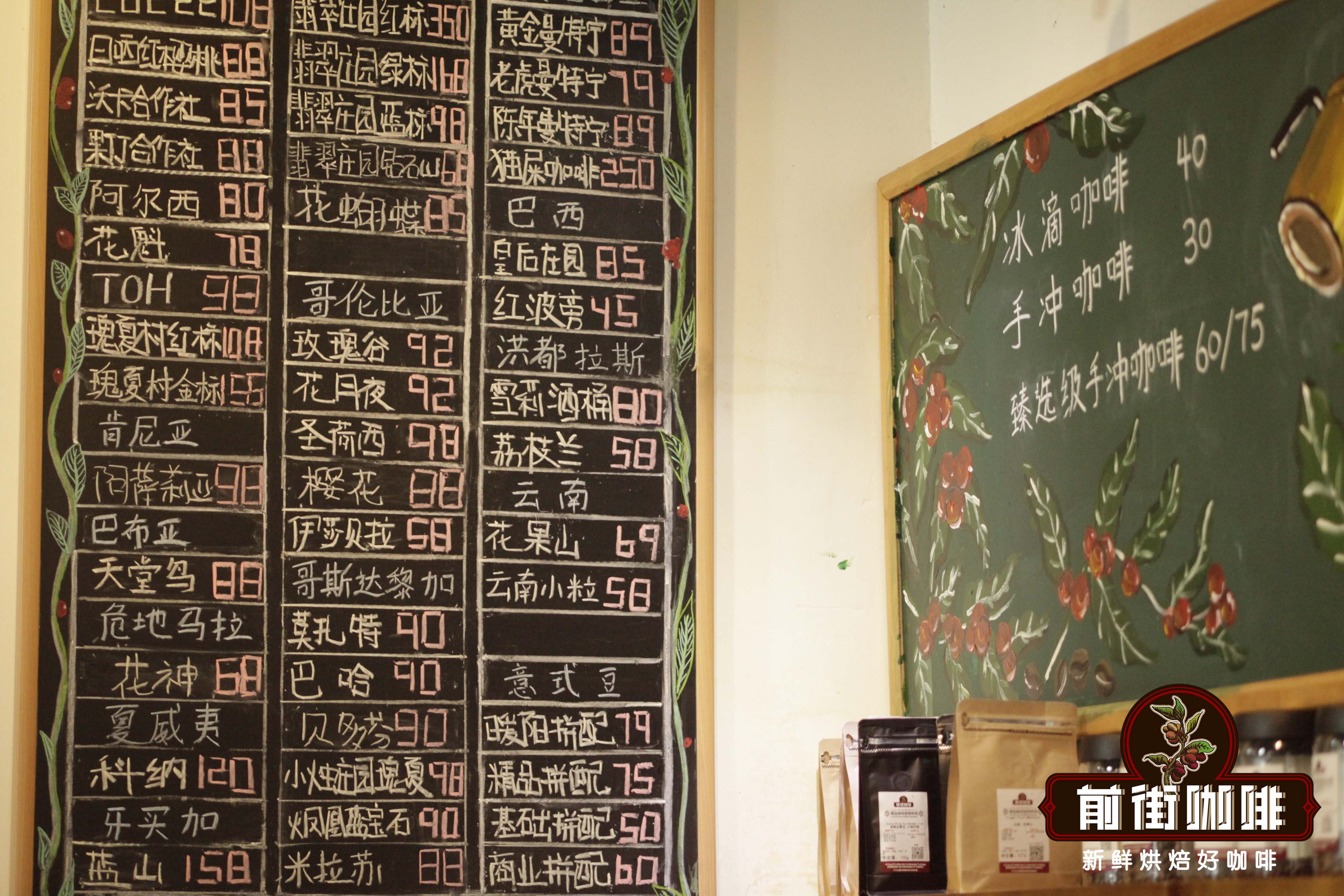
The Flavor characteristics of Coffee in Central America the name of coffee producing area and the flavor of coffee are introduced.
The flavor of Central and South American beans: generally speaking, the flavor is relatively regular. The Brazilian coffee is mellow and full-bodied, while the Costa Rican coffee is gentle and supple, with a blend of sour, sweet and chocolate aromas. Panamanian coffee has strong aromas of citrus, jasmine, peach and nectar, bright and changeable acidity, very similar to Yega Xuefei. Colombia (South America)

Central America Guatemala Coffee Bean Grade SHB
Coffee is the second largest commodity in the world after oil in trade. Arabica accounts for about 70% of the world coffee production, and about 10% of these 70% Arabica receive fine coffee called Specialty Coffee boutique coffee. Among these excellent coffee into the category of boutique coffee, 1% to 2% of the outstanding coffee are good enough to represent their own origin.
The protagonist of the coffee myth in Latin America, Central America and the Caribbean
When we mention Jamaica, we immediately think of "Blue Mountain" coffee.

The coffee-producing area of El Salvador, northwest of Central America and bordering the Pacific Ocean to the south, introduces the Iza of Sonsonate province.
In El Salvador, the coffee beans rich in the Kuskabapa region are the best, slightly lighter, fragrant, pure and slightly sour. Like Guatemala and Costa Rica, coffee in El Salvador is graded according to altitude, and the higher the altitude, the better the coffee. The best brand is Pip, whose quality has been recognized by the American Organic Certification Society. In addition

Located in the middle of North and South America, the Guatemalan Coffee Waijangs Plateau
Guatemala is located in the center of North and South America, and its geographical location occupies an important position in Central America. Guatemala covers an area of about 108899 square kilometers. The land features can be divided into plateau volcanoes, lowland tropical forests, volcanic sandy shore plains along the Pacific coast, and virgin lands along the Caribbean Sea. The SierraMadre Mountains of Central America span east and west of Guatemala, covering an area of

Profile on the cultivation of Nicaragua Linas Manor coffee in one of the poorest countries in Central America
The fruits that "stand out" from the sorter are partially transported to the depulper for peeling and pulp. The term "honey process" refers to coffee that is as sweet as honey, not processed with honey. The coffee kernel, which has been peeled but still adheres to the pulp, is dried directly, and some of the fructose will be absorbed by the kernel. This method has different names in different countries of origin

Characteristics of Central American producing areas | famous boutique coffee producing area of Tarazu Coffee, Costa Rica
Professional coffee knowledge exchange more coffee bean information please follow the coffee workshop (Wechat official account cafe_style) front street-Costa Rica Tarazu introduction Costa Rica is located in the low latitudes of Central America, the central plateau and mountains about 800 to 2000 meters above sea level. The climate here has two obvious dry and wet seasons. The harvest period is from November to March of the following year, which coincides with the dry season.

Nicaraguan Coffee Manor in Central America introduction to boutique coffee bean manor
Name of the manor: El Limoncillo (Lemon Manor) producing area: Matagalpa (Mattapa) Town: Yasica Norte Manor was founded in 1932 Maria Ligia Mierisch Manor elevation: 950m to 1300 m Coffee varieties: 10%Maragoipe, 30% Pacamara, Bourbon 25%, Caturra 20%, Java 15% Coffee treatment

Introduction to Nicaraguan Coffee, a Coffee producer in Central America
In many countries, coffee production will be seriously affected for political reasons. Nicaraguan coffee industry is no exception. The 1979 revolution forced coffee planters to flee to Miami. A period of indecision followed, when the government considered whether to redistribute land (including many plantations), which led to a shortage of coffee and a decline in production since the early 1970s

An introduction to Costa Rica A description of the common varieties of Kaddura and Kaduai in American beans
Costa Rica, located in Central America, is the country where coffee was first introduced into Central America. It has a long history and has a complete coffee organization system from production to marketing. Because it is located in the Central American Isthmus, the volcanic soil is very fertile and the drainage is good, especially in the central plateau CentralPlateau, where the coffee growing land is stable due to the fertile volcanic ash and mild and suitable temperature of the volcanic terrain.

A brief introduction to the cultivation of boutique coffee beans on Mount Everest in El Salvador, geographical location, climate and altitude
Like Guatemala and Costa Rica, coffee in El Salvador is graded according to altitude. The higher the altitude, the better the coffee. It is divided into three grades according to elevation: SHB (strictly high grown) = highlands, HEC (high grown central) = mid-highlands, and CS (central standard) = lowlands; the best brand is Pipil, which is Az.

Which of the main coffee producing countries in Central America is the best coffee producing area in Panama?
Professional coffee knowledge exchange more coffee bean information please follow the coffee workshop (Wechat official account cafe_style) front street-Panama boutique coffee producing area brief introduction in early years, Costa Rica and Guatemala are the main representatives of Central American coffee producing areas, with sweet, lubricating acid, straight through the taste buds, soft, flavor, aroma of coffee unforgettable! However, with Bana